

Category: Cruise Planning

  • How to Choose the Right Cruise Itinerary: Start With Where You Want to Go

    How to Choose the Right Cruise Itinerary: Start With Where You Want to Go

    When people start looking for a cruise, it’s easy to begin with the cruise line. Maybe you’ve sailed with one before and enjoyed it, or you’ve seen photos of a new ship that looks incredible. You might even start by comparing prices and seeing which cruise catches your attention.

    But when I think about planning a cruise, I prefer to start somewhere else.

    Where do you want to go?

    Maybe Alaska has been on your travel list for years. You want to experience the glaciers, see wildlife and visit some of the small towns along the coast. Maybe you’ve always wanted to explore the Mediterranean and like the idea of waking up somewhere different each morning. Or perhaps you’re dreaming about warm Caribbean beaches and simply want an easy vacation somewhere beautiful.

    Once you know what you want to experience, you can start looking at the cruise itineraries that will actually take you there. From there, it becomes much easier to determine which cruise line, ship and cabin make the most sense for your trip.

    Because as important as the ship can be, where it takes you matters too.

    Start With the Destination, Not the Cruise Line

    There are certainly times when the ship itself is a big part of the reason for taking a cruise. Some travelers want to experience a particular new ship or spend their vacation enjoying everything onboard. But if your reason for cruising is to experience a destination, I think the destination should lead the planning process. Instead of deciding you want to sail with a particular cruise line and then choosing from the itineraries it offers, start by identifying the places you most want to see. Once you know that, you can compare the cruise lines and ships sailing those itineraries. This can open up possibilities you might not have considered otherwise.

    The cruise line you sailed with last time may still turn out to be the best fit. But another cruise line might offer an itinerary with a port you really want to visit, more time in a particular destination or a scenic cruising experience that is important to you. The goal isn’t to choose a cruise line first and make the vacation fit around it. It’s to find the cruise that fits the vacation you actually want.

    Look Beyond the Number of Ports

    When comparing two cruises, it’s tempting to count the stops. One itinerary visits three ports. Another visits four. Four must be better, right?

    Not necessarily.

    The number of ports only tells you how many places the ship visits. It doesn’t tell you much about what those days will actually look like. Look at which ports are included rather than simply how many there are. If one itinerary includes a destination that is especially important to you, that may be more valuable than an additional stop somewhere you aren’t particularly excited about visiting.

    The balance between port days and sea days matters too.

    A port-intensive itinerary can be wonderful when your goal is to see as much of a destination as possible, but several early mornings and full days of sightseeing in a row can also make for a busy vacation. An itinerary with an extra sea day gives you more time to enjoy the ship and slow down between destinations. Neither is automatically better. They simply create different kinds of vacations.

    Pay Attention to How Long You’ll Actually Be in Port

    Seeing a destination listed on an itinerary is only the beginning. The arrival and departure times can make a significant difference. A ship that arrives early in the morning and stays until evening gives you a very different opportunity to explore than one that arrives around midday and leaves a few hours later.

    This becomes particularly important if there is something specific you want to do ashore. You may have enough time for a walking tour and lunch on a shorter port day, while a longer stay could give you time to venture farther from the port or choose a more involved excursion.

    Occasionally, itineraries include an overnight stay in port, which can create an entirely different experience by giving you additional time ashore without needing to return to the ship until the following day. So when comparing itineraries, don’t stop at the port names. Look at the clock too.

    Scenic Cruising Counts as Part of the Itinerary

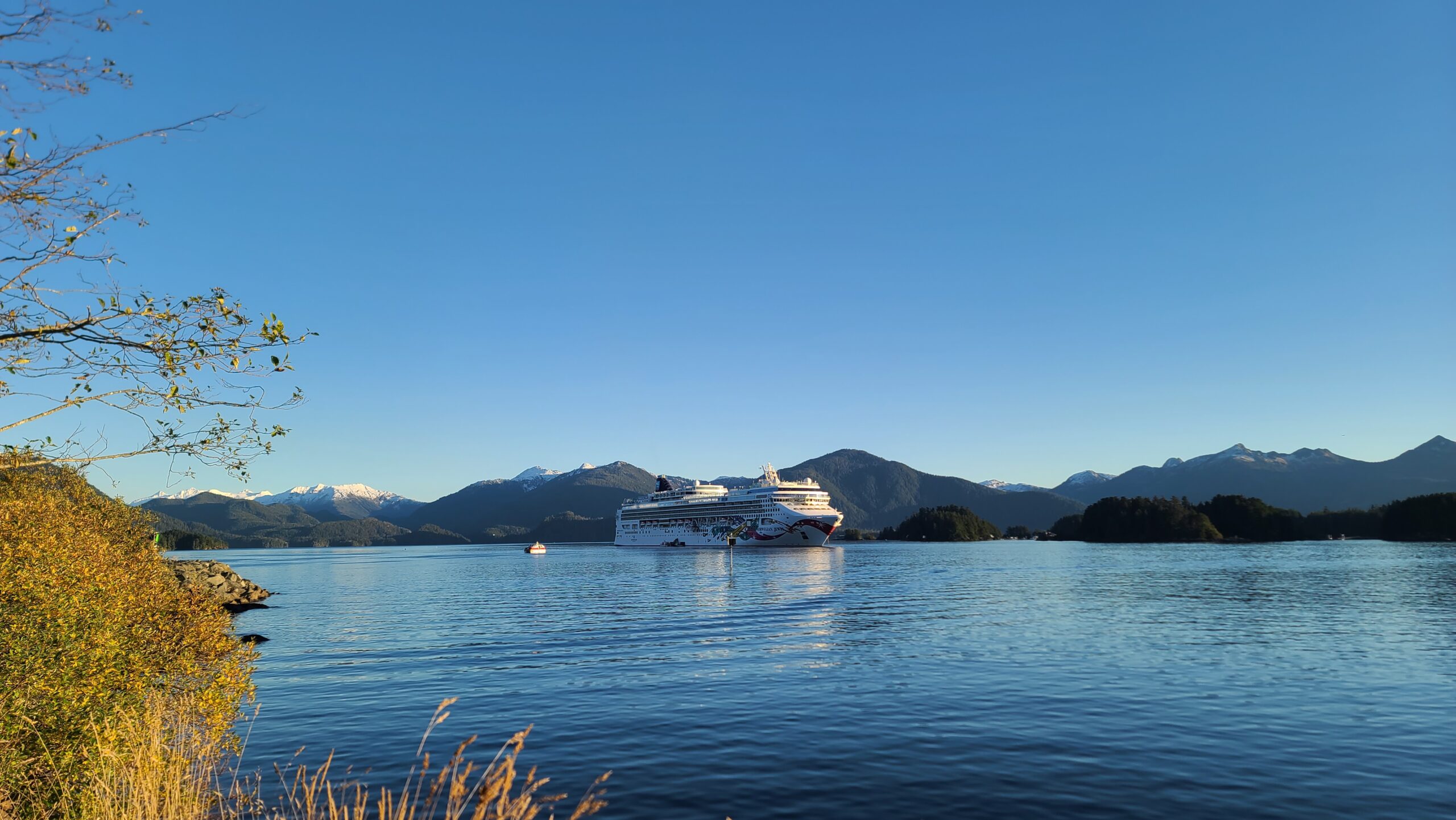
    Not every memorable destination requires you to step off the ship. This is especially true in places like Alaska, where scenic cruising can be one of the highlights of the entire vacation. Sailing through areas surrounded by mountains, glaciers and wildlife is part of the destination experience even though it isn’t technically a port stop. That means two Alaska itineraries that appear similar at first glance may offer different experiences once you look more closely at their scenic cruising routes. It is another reason I prefer to compare the complete itinerary rather than simply looking at the departure port, number of nights and list of stops.

    And it may even affect another decision you make later: your cabin.

    On a cruise where much of the scenery can be enjoyed from the ship, having your own balcony may be more important to you than it would be on another vacation. On a port-intensive itinerary where you expect to spend very little time in your room, you might decide you’d rather put that money toward excursions instead. The itinerary can help determine the cabin, rather than the other way around.

    Sea Days Are Part of Your Vacation Too

    Sea days sometimes look like blank spaces on an itinerary, but they shouldn’t be overlooked. They are your opportunity to enjoy the ship. Depending on the cruise, that could mean spending time by the pool, trying restaurants you haven’t visited yet, attending activities or entertainment, finding a quiet place to read or simply doing very little.

    How many sea days you want depends on the kind of vacation you’re imagining. If the destination is your primary focus, you may prefer an itinerary with more ports and fewer days at sea. If you want the ship to be part of the vacation, a few sea days may be exactly what you want.

    This is also where the particular ship begins to matter more. If an itinerary includes several sea days, I would pay closer attention to what the ship offers and whether those onboard experiences appeal to you.

    Consider How You’ll Get Ashore

    Another detail that can be easy to miss is how you actually get from the ship to the destination. At many ports, the ship docks and you simply walk ashore. At others, the ship may anchor offshore and passengers travel to land on smaller tender boats. Tendering isn’t necessarily a reason to avoid an itinerary, but it can affect how quickly you get ashore and how you plan your day.

    The location of the cruise port itself matters too. Sometimes the destination named on the itinerary is close to the attractions you want to see. In other places, reaching the city or sightseeing area may require additional transportation, which can take time out of your day ashore.. These aren’t necessarily dealbreakers. They’re simply part of understanding what you’re actually choosing when you compare itineraries.

    Don’t Forget About the Embarkation Port

    Your cruise vacation doesn’t necessarily begin when you step onto the ship. Where the cruise departs from can affect airfare, hotel costs and the overall logistics of your trip. And sometimes the embarkation city is worth turning into part of the vacation itself.

    If you’re flying to your cruise, I generally think of the pre-cruise stay as part of the overall travel plan rather than something completely separate. Arriving at least a day before embarkation gives you a buffer in case of flight delays or other travel disruptions, and it may also give you an opportunity to experience another destination along the way.This is especially worth considering when comparing itineraries that depart from different ports. A cruise fare may look better on one sailing, but airfare and pre-cruise expenses could change the total cost of the vacation.

    The Ship Still Matters

    Starting with the destination doesn’t mean the cruise line or ship isn’t important. Once you’ve identified the itineraries that take you where you want to go, then you can start comparing the ships that sail them. This is where the questions from my blog post about choosing the right cruise line become useful.

    Do you want a lively ship with lots of activities and entertainment? Would you prefer something quieter and more relaxed? Are you traveling with children or multiple generations? How important are dining, entertainment and onboard amenities?

    You may find several cruise lines offering similar itineraries. At that point, the experience onboard can help narrow the choices. And sometimes there will be a tradeoff. Your favorite itinerary might be on a ship that wasn’t originally at the top of your list, while the ship you’re most excited about might skip a destination you really wanted to visit. That’s where your priorities come into play.

    Compare the Whole Vacation

    Cruise itineraries aren’t just a list of ports. They’re the framework for your entire vacation. The destinations, time in port, sea days, scenic cruising, embarkation city and ship all work together to create the experience.

    Price matters too, of course, but just as I don’t think the lowest cruise fare always represents the best value, I don’t think the itinerary with the most ports is automatically the best choice. I would rather look at what you’re getting from the vacation as a whole. If one cruise costs a little more but visits the destination you’ve always wanted to see, gives you more time ashore or includes an experience that’s important to you, that difference may be worthwhile.

    On the other hand, if your goal is primarily to relax and enjoy the ship, paying more for a port-intensive itinerary you don’t particularly care about may not make sense.

    Start With Where You Want to Go

    There are a lot of decisions involved in choosing a cruise, but you don’t have to make all of them at once. Start with the simplest question:

    Where do you want to go?

    Then we can look at the itineraries that will take you there and compare the details that could make one a better fit than another. Once we understand the trip you’re trying to create, we can determine which cruise line and ship fit your travel style, which cabin makes sense and where your vacation budget is best spent.

    That’s one of the things I enjoy most about cruise planning. There isn’t one cruise that’s right for everyone. The goal is to put the pieces together in a way that creates the right cruise for you.

    Expertly Planned. Personally Crafted.
  • Cruise Cabin Categories Explained: How to Choose the Right Cabin for Your Trip

    Cruise Cabin Categories Explained: How to Choose the Right Cabin for Your Trip

    Once you’ve chosen a cruise, the next decision can feel surprisingly complicated: Which cabin should you book?

    At first, the choices seem pretty straightforward. Inside, oceanview, balcony or suite. Then you start looking at the actual booking options and suddenly there are multiple versions of each, different decks, obstructed views, guarantee cabins and category codes that don’t mean much unless you know what you’re looking at.

    The good news is that you don’t need to understand every cabin category a cruise line offers. You just need to figure out what matters most for your trip.

    How much time do you expect to spend in your cabin? Is having a view important to you? Would you rather spend more on your room or save that money for excursions and other experiences? Even the itinerary can influence which cabin makes the most sense.

    Let’s start with the four main types you’ll encounter.

    Inside Cabins

    Inside cabins are typically the most affordable rooms on a cruise ship. They don’t have a window or balcony, but you’ll still have the basics you need, including a bed, private bathroom and storage.

    For travelers who plan to spend most of their time exploring the ship or enjoying the ports, an inside cabin can be a smart way to keep the overall cost of the trip down. If you think of your cabin primarily as a place to sleep, shower and get ready for the day, you may not need to pay for a view you’re rarely there to enjoy.

    There is another perk that some inside-cabin fans love: they can get very dark at night. Without sunlight coming through a window in the morning, sleeping in can be surprisingly easy.

    The tradeoff, of course, is that you won’t have natural light or an outside view. Some people barely notice. Others quickly discover that seeing daylight from their cabin is an important part of enjoying the cruise.

    Oceanview Cabins

    Oceanview cabins offer a window or porthole that lets in natural light and gives you a view of the water. The window doesn’t open, but it can make the room feel brighter and provide a connection to what’s happening outside.

    An oceanview can be a nice middle ground for someone who doesn’t necessarily need private outdoor space but doesn’t want an interior room either. Depending on the ship and sailing, the price difference between an inside and oceanview cabin may also be relatively small.

    One thing to pay attention to is the type of view. Not every oceanview cabin offers the same experience. Windows can vary in size and placement, and some cabins may have partially or fully obstructed views because of lifeboats or other ship structures.

    That doesn’t automatically make an obstructed-view cabin a bad choice. If the price is right and your main goal is simply having natural light, it may be a great value. You just want to know what you’re booking before you get onboard.

    Balcony Cabins

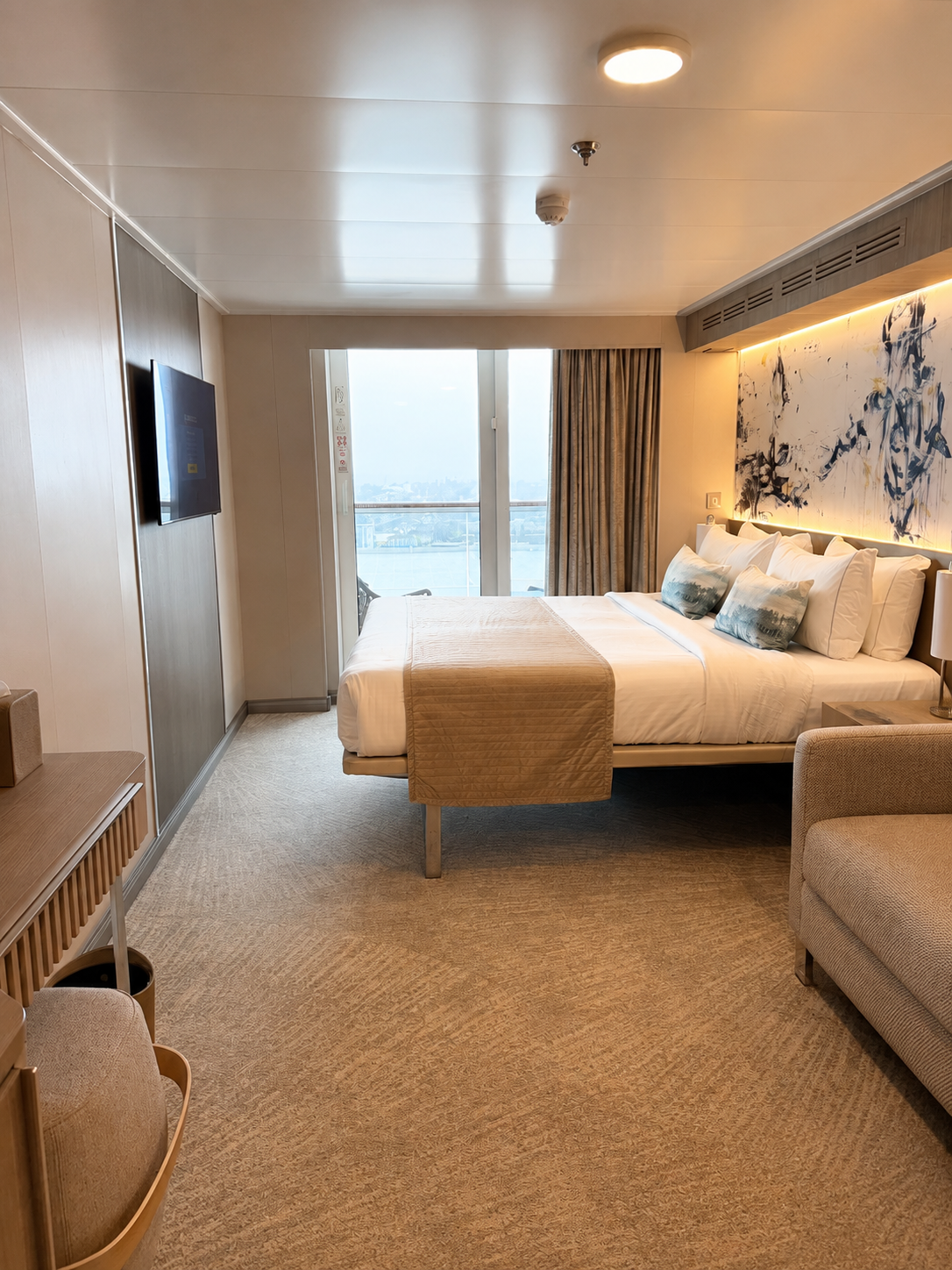
    Balcony cabins are one of the most popular choices, and it’s easy to understand why. In addition to the cabin itself, you have your own outdoor space where you can step outside, watch the ocean and enjoy the scenery without leaving your room. For some itineraries, that can be especially appealing. On a scenic cruise, waking up and stepping onto your balcony to see the landscape outside can become part of the experience itself.

    A balcony can also be nice if you enjoy having a little quiet time away from the busier areas of the ship. You can sit outside in the morning, watch the ship sail into port or simply enjoy the ocean for a while without searching for a chair on an open deck.

    But a balcony isn’t automatically worth the extra money for everyone. If you’re taking a port-intensive cruise and expect to spend very little time in your cabin, you might decide you’d rather put that money toward excursions, specialty dining or another part of the trip.

    And just like oceanview cabins, not all balconies are the same. Balcony size, configuration and view can vary, and some may be partially obstructed. It’s worth looking at the specific cabin rather than assuming every balcony within a category will be identical.

    Suites and Larger Cabin Categories

    Suites can vary significantly from one cruise line and ship to another. Some are essentially larger versions of a balcony cabin, while others offer separate living and sleeping spaces, larger balconies and additional amenities. Depending on the cruise line, booking certain suites may also come with benefits such as priority boarding, dedicated dining areas or access to private lounges and other exclusive spaces.

    For families and groups, larger cabin categories can sometimes solve another problem: space. While many standard cruise cabins can accommodate more than two people, being able to sleep four people in a cabin doesn’t necessarily mean four people will be comfortable sharing it for a week. This is one area where it’s worth comparing your options carefully. Sometimes a suite makes sense. In other situations, booking two cabins may provide more space, privacy and even an additional bathroom for a similar price.

    What About Guarantee Cabins?

    You may also see a guarantee cabin offered when you’re comparing fares.

    With a guarantee, you’re booking a particular cabin category or minimum level, but you’re allowing the cruise line to assign your specific cabin. That can sometimes result in a lower fare, but you’re giving up control over exactly where you’ll be located. You could end up with a cabin you’re perfectly happy with. You might even receive a higher category than the minimum you booked. But you could also be assigned a location you wouldn’t have selected yourself.

    If you don’t care much about cabin location and the savings are worthwhile, a guarantee can be a good option. If you know you’re sensitive to noise, concerned about motion or simply want to know exactly where you’ll be staying, choosing your own cabin may be worth paying a little more.

    Why Are There So Many Categories Within Each Cabin Type?

    This is where cruise cabin shopping can become confusing. You may find several balcony categories that appear almost identical or multiple interior categories with different prices. Cruise lines use these subcategories to distinguish things such as location, deck and sometimes cabin features or included benefits.

    A higher category doesn’t necessarily mean the room itself is dramatically different. Sometimes you’re paying more because of where the cabin is located on the ship rather than what’s inside it. That’s why I wouldn’t choose a cabin based on the category name or price alone. Once you’ve decided which general cabin type you want, it’s worth looking at the actual location and details of the specific rooms available.

    We’ll go much deeper into that in another article because cabin location deserves a conversation of its own.

    How Much Should You Spend on Your Cabin?

    There isn’t a percentage or formula that works for everyone. Instead, think about what you’re giving up to move into the next cabin category. If upgrading from an inside to a balcony adds $1,000 to your trip, what else could you do with that $1,000? Maybe you’d rather book an incredible excursion or extend your vacation with an extra night or two before the cruise.

    On the other hand, if the difference is relatively small and you know you’ll use the balcony every day, the upgrade may be an easy decision.

    The itinerary matters too. You may make a completely different cabin choice for a short Caribbean getaway than you would for a scenic Alaska cruise. That’s why I don’t think there is one cabin category everyone should always book.

    Choosing the Cabin That’s Right for You

    Before booking, think about how you actually travel. If you’re rarely in your room on vacation, an inside or oceanview cabin might give you everything you need while leaving more room in the budget for experiences. If having private outdoor space is part of what you’re imagining when you picture your cruise, a balcony may be money well spent. And if you’re traveling with family, need more space or want additional amenities, it may be worth comparing suites and larger cabin options rather than simply squeezing everyone into a standard room.

    Most importantly, don’t assume that two cabins with the same general description are necessarily equal. Once you decide on the type of cabin you want, take a closer look at the specific cabin before you book it. Because choosing your cruise cabin isn’t about finding the most expensive room you can afford. It’s about deciding which parts of the cabin experience are worth paying for on this particular trip.

    That answer may change from one cruise to the next. And that’s exactly why choosing the right cabin is part of planning the right cruise.

    Expertly Planned. Personally Crafted.
  • How to Choose the Right Cruise Line for Your Travel Style

    How to Choose the Right Cruise Line for Your Travel Style

    If you’ve decided you want to take a cruise, one of the first questions you’ll probably run into is also one of the biggest: Which cruise line should I choose?

    It’s easy to assume that cruise lines are mostly interchangeable. Pick an itinerary, find a ship and book a cabin. But the cruise line you choose can have just as much impact on your vacation as the destination itself.

    Some cruise lines are lively and casual. Others lean toward a quieter, more traditional cruise experience. You’ll find ships built around family activities, ships known for dining and entertainment and others where the destination is much more of the focus. The best cruise line isn’t necessarily the one with the newest ship or the lowest fare. It’s the one that fits the way you like to travel.

    Start With the Kind of Vacation You Actually Enjoy

    Before comparing ships or prices, think about what makes a vacation feel like a vacation to you. Do you like having plenty to do from morning until night, or do you want time to relax without feeling like you’re missing something? Maybe great meals are a big part of the experience for you, or perhaps live entertainment is something you look forward to when you travel.

    Who you’re traveling with matters too. A couple looking for a relaxing getaway may have very different priorities from a family traveling with children or several generations vacationing together. Maybe the ship itself is part of the adventure, or maybe you’re choosing a cruise because you want an easy way to experience several destinations in one trip.

    There isn’t a right answer. Your answers simply help narrow down which cruise lines deserve a closer look.

    If You Want a Fun, Casual Atmosphere

    Some travelers want their cruise to feel easygoing from the minute they step onboard, with pool decks, casual dining, comedy shows, live music and plenty happening throughout the day.

    Cruise lines such as Carnival are well known for this kind of vacation. Carnival can also be a great option when value matters, particularly for families and groups traveling together. The atmosphere tends to be relaxed rather than formal, which appeals to travelers who don’t want to spend their vacation worrying about doing things a certain way.

    If You Like Having Lots of Choices

    Maybe your ideal vacation is less about following a schedule and more about deciding what sounds good in the moment. Norwegian Cruise Line built much of its identity around that idea. Its Freestyle Cruising concept emphasizes flexibility, including when and where you dine.

    Norwegian ships typically offer a wide variety of restaurants, entertainment and onboard activities. Depending on the ship and itinerary, you might find everything from large-scale productions and comedy to go-karts and expansive observation lounges.

    I’ve cruised with Norwegian several times, and one of the things I appreciate is having options. You can fill your day with activities or find a quiet place and do very little at all. That flexibility can be especially appealing when the people traveling together don’t necessarily have the same idea of what a perfect vacation day looks like.

    If The Ship Is Part of the Destination

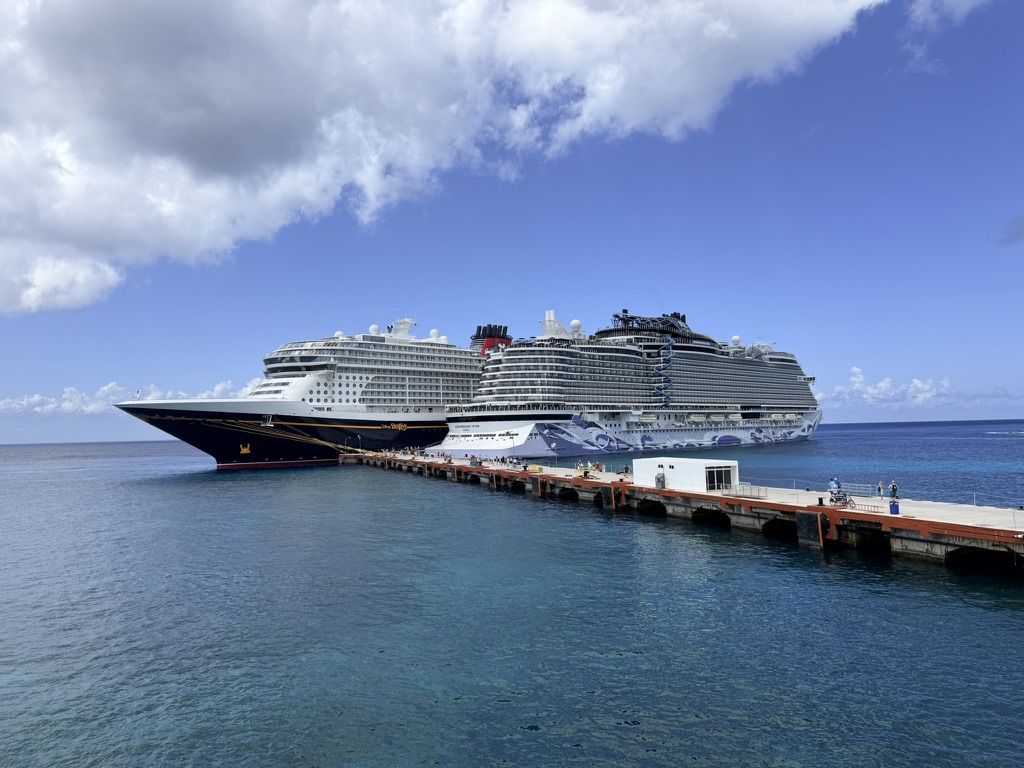
    For some travelers, the ports are only half the reason to go. Lines such as Royal Caribbean have taken the idea of the ship as a destination to another level. On its larger ships, you can find water parks, surf simulators, climbing walls, entertainment venues and entire neighborhoods designed to feel like distinct areas of the ship.

    That can make these ships especially appealing to families and multigenerational groups because everyone can find something different to do. It also means choosing the ship can be just as important as choosing the cruise line. The experience on one of a cruise line’s older or smaller ships can be quite different from what you’ll find on its newest ships, so it’s worth looking beyond the name on the side of the vessel.

    If You Prefer a More Relaxed, Refined Experience

    Not everyone wants a cruise packed with attractions. If your idea of vacation involves good food, comfortable surroundings and a somewhat quieter atmosphere, lines such as Princess Cruises, Celebrity Cruises or Holland America Line may be worth considering.

    These lines generally offer a more traditional or refined cruise experience without necessarily moving into the luxury-cruise price range. They can also be particularly appealing on destination-focused itineraries such as Alaska, where scenic viewing and time in port may matter more to you than having a long list of onboard attractions.

    If You’re Looking for Value

    This is where comparing cruises gets a little more complicated because the lowest advertised cruise fare isn’t always the least expensive vacation. One cruise line may start with a lower fare but charge separately for things you’ll probably want, while another may offer a higher fare that includes drinks, Wi-Fi, specialty dining or other benefits.

    This is why I prefer looking at the total vacation value rather than simply comparing the number shown on the first search screen. For example, MSC Cruises frequently catches travelers’ attention with competitive pricing, particularly on newer ships. Depending on the sailing and fare type, it can offer a lot of ship for the money. Norwegian’s packages can also change the value equation because certain extras may already be bundled into your fare.

    Instead of only asking, Which cruise is cheapest? I think there’s a better question: What am I actually getting for the price?

    Don’t Forget About the Itinerary

    You can find the perfect ship and still choose the wrong cruise. If seeing Alaska is your priority, for example, the itinerary, time in port and scenic cruising opportunities may matter more than whether the ship has the newest attractions. The same is true in Europe, the Caribbean and other destinations.

    Look beyond the number of nights and the departure port. Compare where the ship actually goes, how long you’ll be there and whether there are destinations that are especially important to you. Sometimes an itinerary with an additional port or a longer day ashore is worth paying a little more for, especially when the destination is one of the main reasons you’re taking the trip.

    The People You’re Traveling With Matter Too

    The cruise I would recommend for a couple celebrating an anniversary might be completely different from the one I’d suggest for grandparents traveling with their children and grandchildren. When you’re planning for a group, cabin availability, connecting or nearby rooms, dining arrangements and activities for different ages can become just as important as the cruise fare.

    That’s one reason there really isn’t a universal “best cruise line.” There is only the cruise line that’s the best fit for this trip.

    So, Which Cruise Line Should You Choose?

    Start with your priorities before you start with the cruise line. Think about how you like to spend your vacation, who is traveling with you, where you want to go and what you want included in the price. From there, you can compare the cruise lines and ships that actually fit those priorities.

    You may discover that the cruise line you originally had in mind is exactly right for you, or you might find that another one fits your travel style much better. And that’s part of what I love about planning cruises. There are so many possibilities, but you don’t have to sort through all of them yourself.

    Voyage with Amy helps travelers compare cruise options based on the experience they’re actually looking for, taking into consideration the itinerary, ship, cabin and overall value. The goal isn’t simply to book a cruise. It’s to find the cruise that feels right for you.

    Expertly Planned. Personally Crafted.
  • Why a Personalized Cruise Plan Makes All the Difference

    Why a Personalized Cruise Plan Makes All the Difference

    Welcome Aboard

    At Voyage With Amy, travel planning is personal. Every cruise vacation should reflect your pace, priorities, and style, whether you are dreaming of glacier views in Alaska, sun-soaked Caribbean ports, charming river towns in Europe, or the coastal beauty of Canada and New England.

    Working with a travel advisor means you do not have to sort through endless ship options, cabin categories, itineraries, and fine print on your own. Instead, you get thoughtful guidance designed to help you choose a cruise that feels effortless from the moment you start planning.

    What Personalized Planning Includes

    • Matching you with the right cruise line, ship, and itinerary
    • Helping you compare destinations, travel seasons, and onboard experiences
    • Advising on cabin choices, dining preferences, and travel style
    • Creating a smoother planning process with expert support along the way

    More Than Booking a Cruise

    A great cruise is not just about where the ship goes. It is about how the entire experience fits you. Some travelers want a relaxed escape with plenty of sea days, while others want immersive port experiences, cultural discovery, or a celebration-worthy itinerary with elevated touches.

    The best cruise is not simply the most popular one. It is the one that feels designed for you.

    That is where Voyage With Amy comes in. With a warm, refined approach and a focus on personalized service, Amy helps travelers narrow the options and feel confident in every decision, from destination selection to the final details that make a trip feel seamless.

    Destinations to Inspire Your Next Voyage

    • Alaska for dramatic scenery, wildlife, and unforgettable natural beauty
    • The Caribbean for sunshine, easygoing luxury, and island variety
    • Canada & New England for coastal charm, history, and seasonal color
    • The Mediterranean for culture, cuisine, and iconic ports
    • The British Isles for storybook landscapes and rich heritage
    • River cruises for intimate ships, scenic sailing, and immersive experiences

    Start with Expert Guidance

    If you are ready to plan a cruise vacation that feels thoughtful, polished, and truly tailored to you, Voyage With Amy is here to help. Personalized planning takes the guesswork out of the process so you can focus on the excitement of where you are going next.

    When you are ready, Plan My Trip and start designing a voyage that fits you beautifully.